
Root canal and restorative dental treatment planning at MDRN Dental Studio in McKinney, TX

Root Canal Therapy

Root Canal Therapy in McKinney, TX

When a tooth nerve is inflamed or infected, root canal therapy may relieve pain, remove infection, and help save the natural tooth when the prognosis is favorable.

Short answer

A root canal treats the inside of the tooth so the outside can be restored.

Root canal therapy is considered when the pulp — the soft tissue inside the tooth — becomes inflamed, infected, or non-vital. At MDRN Dental Studio, Dr. Steven uses exam findings, digital X-rays, and tooth testing to determine whether the tooth can be predictably saved with root canal treatment and a final restoration such as a dental crown.

Why It Matters

The Goal Is to Save the Natural Tooth When It Is the Right Tooth to Save

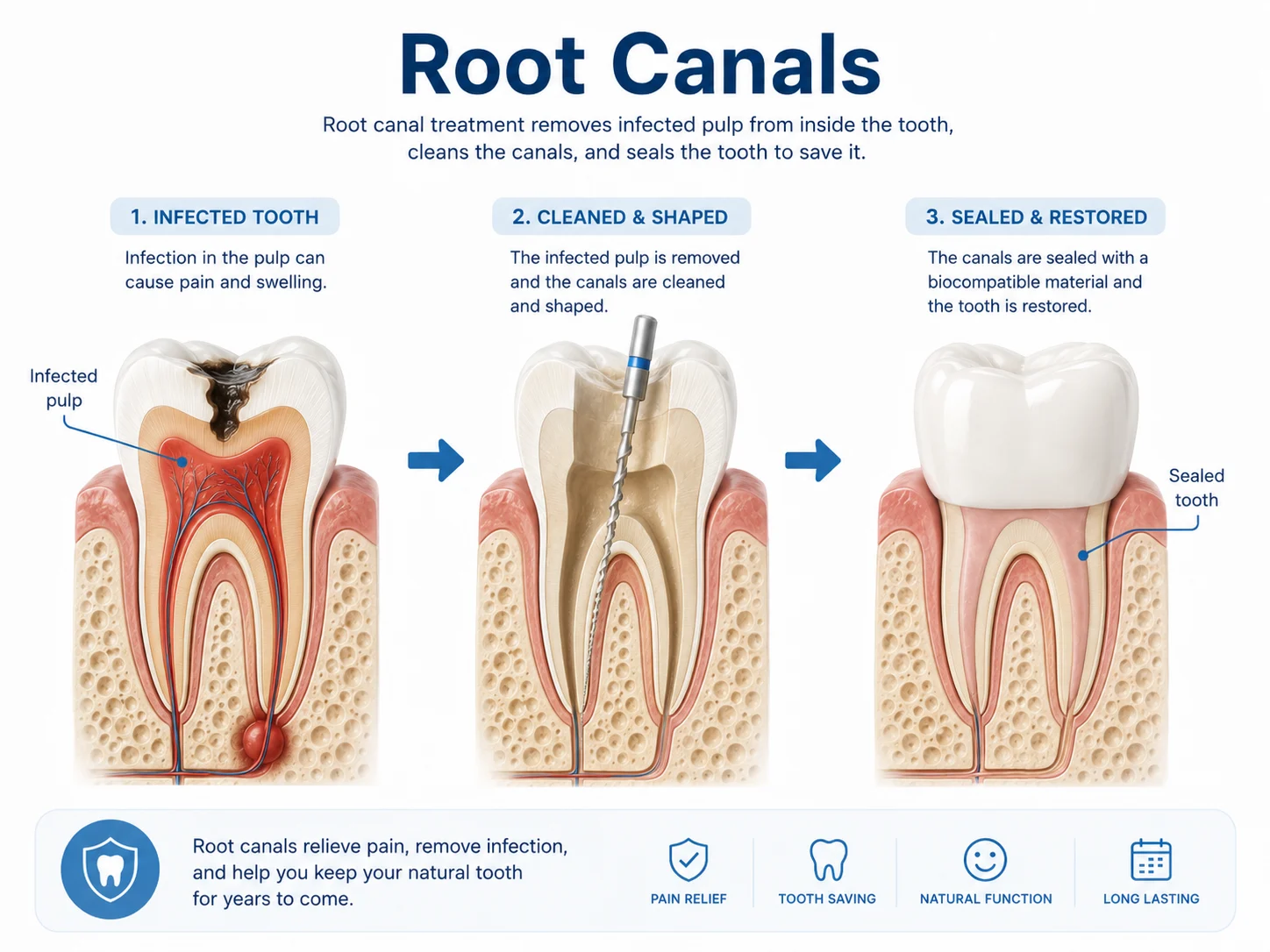
A root canal removes infected or inflamed tissue from inside the tooth while preserving the root and outer tooth structure. That can allow the tooth to stay in place and function after it is restored. The key is diagnosis: some teeth are excellent candidates for root canal therapy, while others have cracks, bone loss, or structural damage that make extraction and replacement a better option. MDRN Dental Studio explains those tradeoffs clearly before treatment begins.

Book a tooth pain evaluation
Infographic explaining root canal treatment for an infected tooth

When It May Be Needed

Signs a Tooth Nerve May Be Involved

Symptoms do not prove a diagnosis on their own, but they are signs that the tooth should be evaluated promptly before the infection or fracture risk becomes more serious.

  • Severe toothache or pain that wakes you up
  • Lingering sensitivity to hot or cold that does not fade quickly
  • Pain when biting or releasing pressure
  • Swelling, pimple on the gum, drainage, or a bad taste
  • A deep cavity, large fracture, or trauma that reaches the nerve
  • Darkening of a tooth after an injury

Treatment Sequence

What the Process Usually Looks Like

01

Focused Exam and Diagnosis

Dr. Steven reviews your symptoms, takes digital X-rays, tests the tooth, and checks surrounding gums and bite forces. The goal is to confirm whether the nerve is inflamed, infected, or no longer healthy before recommending treatment.
02

Comfort Planning

The tooth is thoroughly numbed before treatment. Sedation options may be discussed for anxious patients or longer appointments when appropriate for the case and medical history.

03

Clean and Seal the Canals

Root canal therapy removes infected or inflamed pulp tissue, disinfects the canal space, shapes the canals, and seals the tooth to reduce the chance of reinfection.

04

Protect the Tooth With a Final Restoration

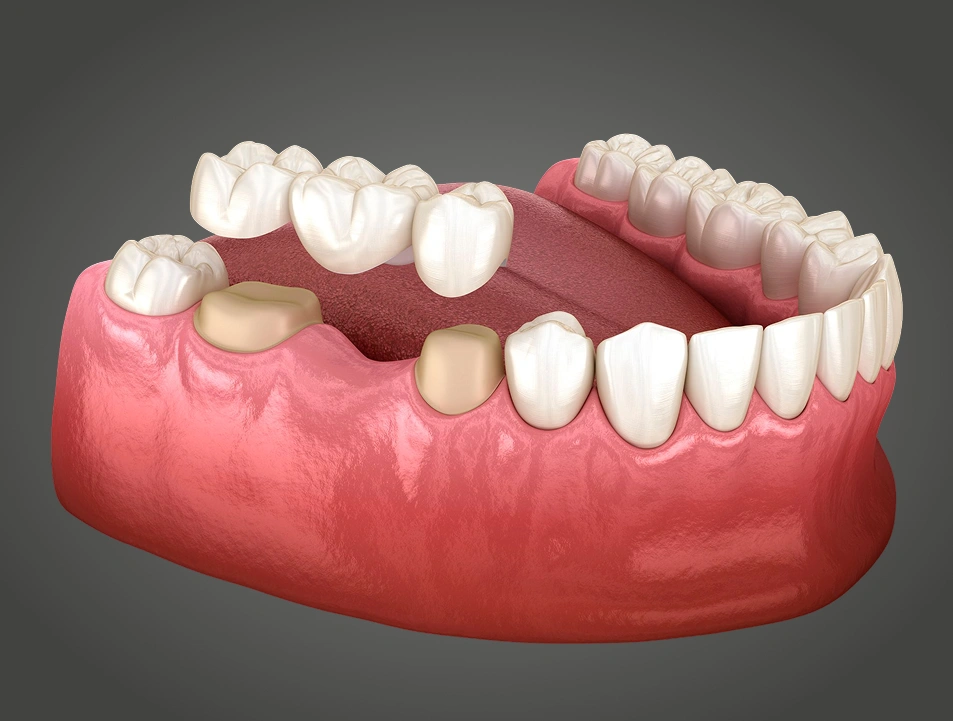
Most back teeth need a crown after root canal treatment because the tooth is more vulnerable to fracture. The crown timing is part of the treatment plan, not an optional afterthought.

After Treatment

The Crown Is Part of the Root Canal Plan

Root canal treatment addresses the infection inside the tooth, but the tooth still needs to be protected afterward. Back teeth often need a crown because chewing forces can split a weakened tooth if it is left with only a temporary or large filling. MDRN connects root canal therapy with the final restoration plan so patients understand the full sequence: diagnosis, comfort, canal treatment, healing, and the crown or restoration that protects the tooth long term.

Learn about dental crowns
Dental crown planning after root canal treatment

Clear Answers for Patients

Root canal questions patients ask before choosing treatment

These answers help patients understand why root canal therapy may be recommended, what it is meant to do, and why the final restoration matters.

How do I know if I might need a root canal?

A root canal may be considered when decay, a crack, trauma, or infection reaches the tooth nerve. Severe pain, lingering temperature sensitivity, biting pain, swelling, or a gum pimple are common reasons to schedule an evaluation promptly.

Does a root canal hurt?

The tooth is numbed before treatment, and the procedure is meant to remove the source of pain rather than create it. Some soreness after treatment is normal as the surrounding tissues heal.

Will I need a crown after a root canal?

Many root-canal-treated teeth, especially molars and premolars, need a crown to protect against fracture. Dr. Steven explains the restoration sequence before treatment so you understand the full plan.

Is extraction ever better than a root canal?

Sometimes. If a tooth has a vertical root fracture, severe bone loss, very poor remaining tooth structure, or a guarded prognosis, extraction and replacement options may be safer. MDRN reviews both tooth-saving and replacement options before a decision is made.

FAQs

Frequently Asked Questions

How do I know if I might need a root canal?

A root canal may be considered when decay, a crack, trauma, or infection reaches the tooth nerve. Severe pain, lingering temperature sensitivity, biting pain, swelling, or a gum pimple are common reasons to schedule an evaluation promptly.

Does a root canal hurt?

The tooth is numbed before treatment, and the procedure is meant to remove the source of pain rather than create it. Some soreness after treatment is normal as the surrounding tissues heal.

Will I need a crown after a root canal?

Many root-canal-treated teeth, especially molars and premolars, need a crown to protect against fracture. Dr. Steven explains the restoration sequence before treatment so you understand the full plan.

Is extraction ever better than a root canal?

Sometimes. If a tooth has a vertical root fracture, severe bone loss, very poor remaining tooth structure, or a guarded prognosis, extraction and replacement options may be safer. MDRN reviews both tooth-saving and replacement options before a decision is made.

What is root canal therapy?

Root canal therapy is a tooth-saving procedure that removes inflamed or infected pulp tissue from inside the tooth, cleans and disinfects the canals, then seals the space so the tooth can be restored.

Why would a tooth need root canal treatment?

A root canal may be needed when a deep cavity, crack, leaking restoration, trauma, or infection affects the pulp tissue inside the tooth. Without treatment, the infection can spread and the tooth may become non-restorable.

Can antibiotics fix a tooth that needs a root canal?

Antibiotics may help control spreading infection in certain situations, but they do not remove infected tissue inside the tooth. If the source is inside the root canal system, definitive dental treatment is usually needed.

How long does root canal treatment take?

Timing depends on the tooth, number of canals, infection level, anatomy, and whether additional appointments are needed. Some cases can be completed in one visit; others are staged for comfort and healing.

What happens after a root canal?

Tenderness for a few days can be normal. A temporary or final filling protects the tooth until the final restoration is completed. If a crown is recommended, scheduling it promptly helps reduce fracture risk.

Clinical Review

Reviewed by Dr. Steven Nguyen, DDS

Dr. Nguyen is the founder and lead dentist at MDRN Dental Studio in McKinney, TX. He reviews patient education for accuracy, clarity, and conservative treatment planning.

Information on root canal therapy is written to help patients understand options before a visit, not to replace a dental exam. Recommendations still depend on X-rays or 3D imaging when appropriate, photos, gum health, bite forces, symptoms, medical history, and your goals.

Conservative focusPreserving healthy tooth structure is considered whenever it is clinically appropriate.
Advanced trainingDr. Nguyen brings Kois Center training and continuing education into diagnosis and treatment planning.
Clear next stepsThe goal is to explain why each option may be recommended, so you can make an informed decision.
Tooth Pain Evaluation

Do Not Wait on Severe Tooth Pain

Find Out Whether a Root Canal Can Save the Tooth

If you have severe tooth pain, lingering sensitivity, swelling, or a broken tooth, MDRN Dental Studio in McKinney can evaluate the source and explain whether root canal therapy, a crown, extraction, or another option is appropriate. Call (469) 712-2046.

6451 W University Dr, Ste 300 · McKinney, TX 75071