After a tooth extraction
Socket preservation may be recommended after removing a tooth to help limit bone shrinkage and preserve the ridge shape for a future implant, bridge, or denture plan.

Bone Grafting
Preserve bone after extraction and create a stronger foundation for future tooth replacement when grafting is appropriate.
Short answer
After a tooth extraction, the bone that used to support the tooth naturally changes shape. Socket preservation places graft material in the extraction site to help maintain ridge volume, especially when a dental implant may be considered later. Dr. Steven uses exam findings and CBCT imaging when appropriate to explain whether grafting is recommended, optional, or unnecessary for your situation.
Why It Matters
When a tooth is removed, the socket begins remodeling as part of normal healing. In some areas, that bone change can make future implant placement, bridge contours, or denture fit more challenging. Bone grafting does not automatically mean a future implant will be possible, but it may help preserve the ridge and support better options later. MDRN Dental Studio connects extraction planning, grafting decisions, gum health, and the final tooth replacement plan so the procedure is not treated as an isolated step.
Plan your extraction or implant consult
When It Comes Up
Bone grafting is not automatic for every extraction. It is considered when preserving or rebuilding bone support may improve the future restorative plan.
Socket preservation may be recommended after removing a tooth to help limit bone shrinkage and preserve the ridge shape for a future implant, bridge, or denture plan.
If CBCT imaging shows the jawbone is too thin or too short for predictable implant positioning, bone grafting may be discussed before or during implant planning.
In some cases, infection, fracture, or long-term tooth loss leaves a defect that needs additional bone support before the final tooth-replacement plan is chosen.
Preserving the ridge can help support healthier contours for future implant crowns, bridges, partial dentures, or full-mouth treatment plans when those options are appropriate.
Planning Sequence
01
Dr. Steven reviews the tooth, gum tissue, bone support, infection risk, medical history, and replacement goals. CBCT imaging may be used to evaluate bone width, height, and nearby anatomy.
02
When a tooth must be removed, the socket is cleaned and evaluated. The graft material and membrane choice depend on the size of the defect and the future restoration plan.
03
Bone graft material is placed into the site to act as a scaffold for healing. A collagen membrane or protective covering may be used when it supports clot stability and soft-tissue healing.
04
The site is monitored as it heals over several months. If an implant is planned, Dr. Steven confirms timing and anatomy before moving to the next step.
Implant Planning
Bone grafting is most useful when it is tied to a clear plan for what comes next. As an ICOI Fellow with advanced implant training, Dr. Steven evaluates the final tooth shape, bite, gum contour, bone volume, and timing before recommending grafting. Sometimes the best plan is socket preservation at extraction. Sometimes it is Guided Bone Regeneration, staged healing, additional imaging, or referral for a more complex surgical need. The goal is a clear, clinically appropriate sequence rather than a one-size-fits-all recommendation.
Learn about dental implants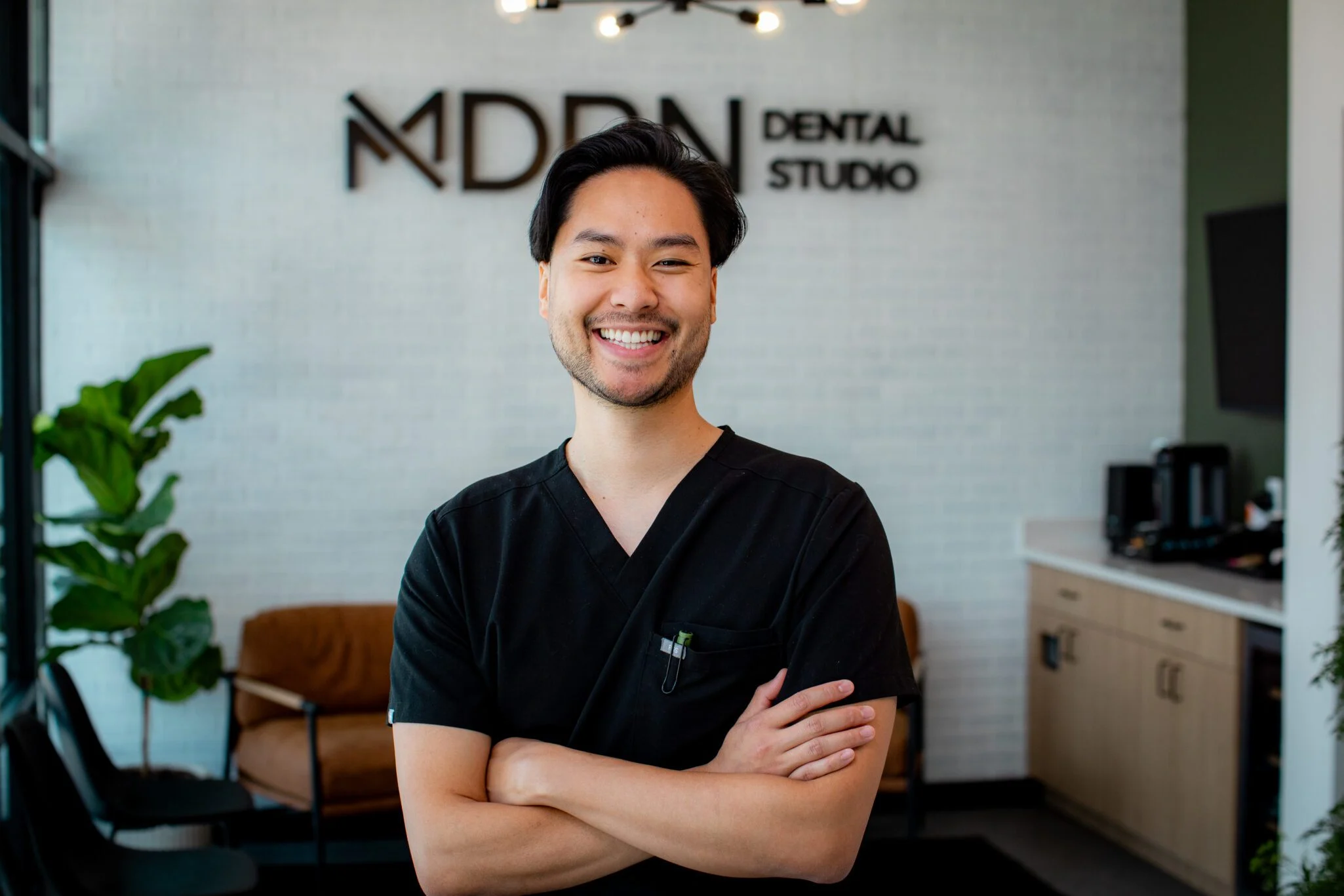
Advanced Grafting Options
Some extraction and implant sites need more than simple socket preservation. When the bone defect is wider, thinner, or more complex, Dr. Steven may discuss Guided Bone Regeneration, ridge preservation, or staged implant site development as part of the treatment sequence.
Guided Bone Regeneration, or GBR, is an advanced grafting approach used when a site needs additional bone support or contour before implant treatment. A protective collagen membrane may be placed over graft material to help stabilize the site, protect healing, and guide bone fill where support is needed.
Ridge preservation focuses on limiting bone collapse after a tooth is removed, especially when the site may later support an implant, bridge, partial denture, or full-mouth restorative plan.
When the bone shape is not ideal for implant placement, grafting may be planned as part of a staged sequence. CBCT imaging helps Dr. Steven evaluate width, height, anatomy, and timing before the next step is chosen.
Clear Answers for Patients
These answers help patients understand when socket preservation may matter and how MDRN connects grafting to implant planning and tooth replacement options.
Bone grafting may be considered when a tooth is removed and future tooth replacement is likely, especially if an implant may be part of the plan. The decision depends on bone shape, infection, gum tissue, health factors, and the final restoration goal.
No. Some extraction sites heal without grafting, and some treatment plans do not require ridge preservation. MDRN reviews the reason for extraction, the location of the tooth, and whether an implant, bridge, partial denture, or no replacement is being considered.
Dental implants need enough healthy bone for stable positioning. A graft can help preserve or rebuild ridge volume, giving the dentist more options for implant timing, implant position, emergence profile, and the final tooth shape when the case qualifies.
Guided Bone Regeneration, or GBR, is a grafting technique that uses bone graft material and a protective membrane to help guide healing in a site where more bone support or contour may be needed. It is not necessary for every extraction or implant case, but it may be discussed when the defect is wider, thinner, or more complex.
Often, yes. When clinically appropriate, socket preservation can be completed at the extraction appointment. If infection, anatomy, or healing risk changes the plan, Dr. Steven will explain the safer sequence before treatment begins.
Further Reading
FAQs
Bone grafting may be considered when a tooth is removed and future tooth replacement is likely, especially if an implant may be part of the plan. The decision depends on bone shape, infection, gum tissue, health factors, and the final restoration goal.
No. Some extraction sites heal without grafting, and some treatment plans do not require ridge preservation. MDRN reviews the reason for extraction, the location of the tooth, and whether an implant, bridge, partial denture, or no replacement is being considered.
Dental implants need enough healthy bone for stable positioning. A graft can help preserve or rebuild ridge volume, giving the dentist more options for implant timing, implant position, emergence profile, and the final tooth shape when the case qualifies.
Guided Bone Regeneration, or GBR, is a grafting technique that uses bone graft material and a protective membrane to help guide healing in a site where more bone support or contour may be needed. It is not necessary for every extraction or implant case, but it may be discussed when the defect is wider, thinner, or more complex.
Often, yes. When clinically appropriate, socket preservation can be completed at the extraction appointment. If infection, anatomy, or healing risk changes the plan, Dr. Steven will explain the safer sequence before treatment begins.
Socket preservation is a type of bone grafting done at the time a tooth is removed to help preserve the ridge shape. Bone grafting is the broader term and may also include rebuilding bone before or around implant treatment when additional support is needed.
No. A bone graft preserves options. Many grafts are placed because an implant is being considered, but the final tooth replacement may be an implant, bridge, partial denture, or another dentist-confirmed option depending on your goals and anatomy.
Healing time varies by site size, infection level, material used, medical history, and whether an implant is planned. Many socket preservation sites are re-evaluated after several months before implant placement or the next restorative step.
The area is thoroughly numbed for the procedure, and sedation options may be available for patients who feel anxious. Soreness, swelling, and tenderness can occur afterward and are managed with the specific post-op instructions provided by the dentist.
After a tooth is removed, the jawbone naturally remodels and can shrink. Skipping a graft does not always cause a problem, but it can make future implant placement or tooth replacement more limited in some cases. Dr. Steven will explain the tradeoffs for your specific site.
Clinical Review
Dr. Nguyen is the founder and lead dentist at MDRN Dental Studio in McKinney, TX. He reviews patient education for accuracy, clarity, and conservative treatment planning.
Information on bone grafting and socket preservation is written to help patients understand options before a visit, not to replace a dental exam. Recommendations still depend on X-rays or 3D imaging when appropriate, photos, gum health, bite forces, symptoms, medical history, and your goals.
Preserve Options Before the Tooth Is Removed
If you need a tooth removed or are planning for a dental implant, MDRN Dental Studio in McKinney can evaluate whether socket preservation or bone grafting should be part of the sequence. Call (469) 712-2046.
6451 W University Dr, Ste 300 · McKinney, TX 75071