Composite Bonding
Composite Bonding in McKinney, TX
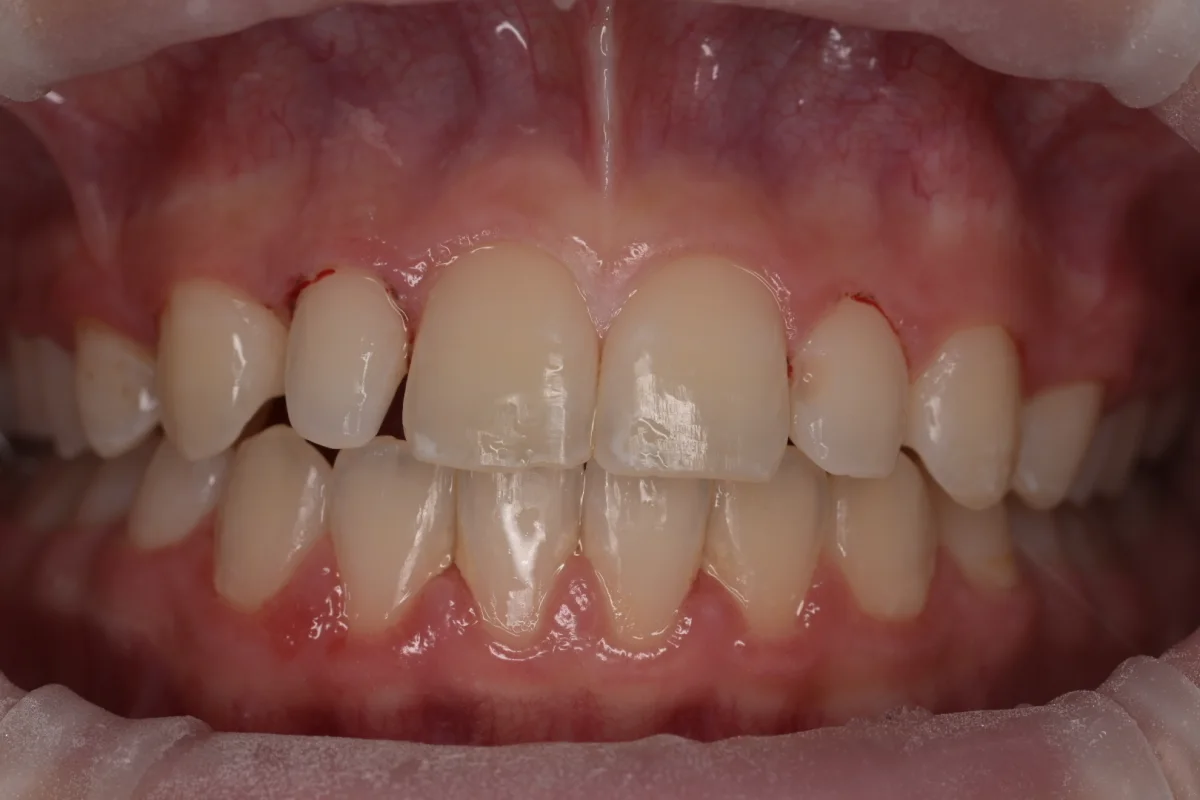
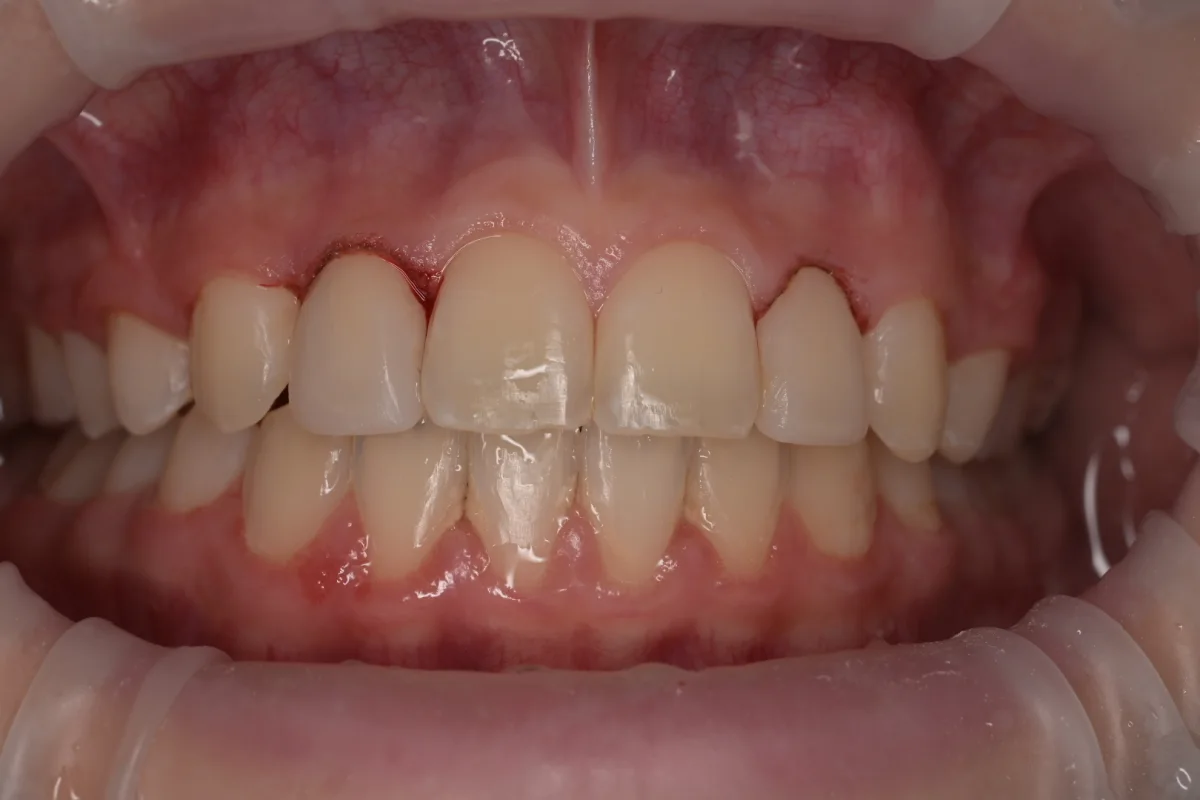
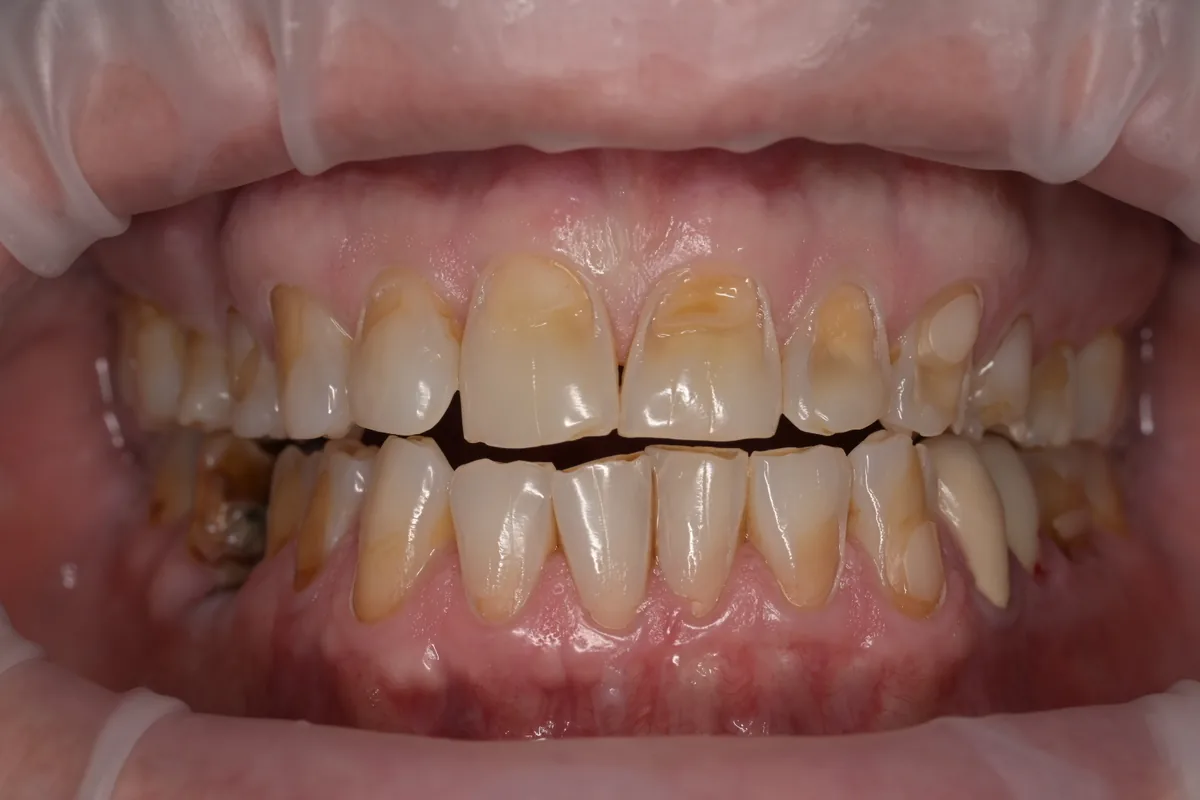
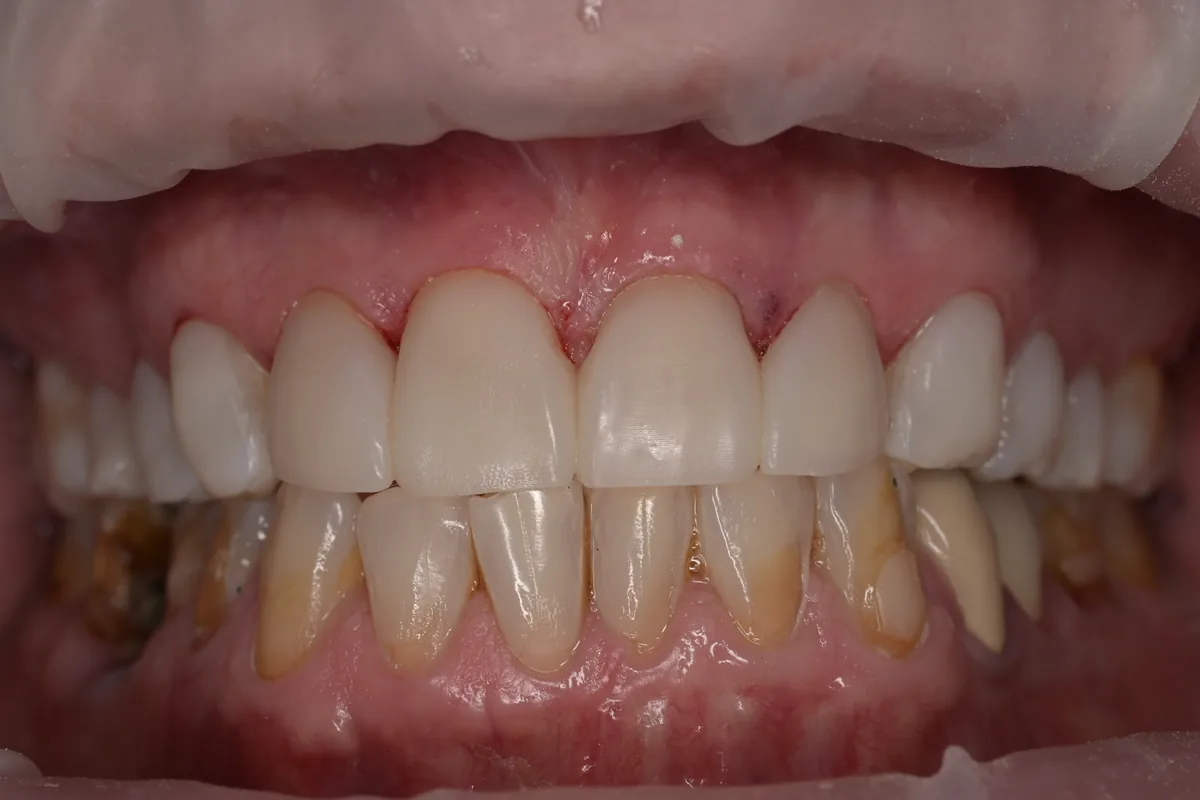
Fix chips, gaps, and discoloration in a single visit. One of the most conservative cosmetic procedures available.
Special Offer
New Patient Specials
Book now and save with our limited-time offers.
Cosmetic Consultation
FREE
Includes a smile assessment and discussion of whether composite bonding or porcelain veneers are the right choice for your goals.
For New Patients Only. Must mention this offer at time of booking.
Book Free ConsultationWhat Bonding Can Fix
One Visit, Multiple Improvements
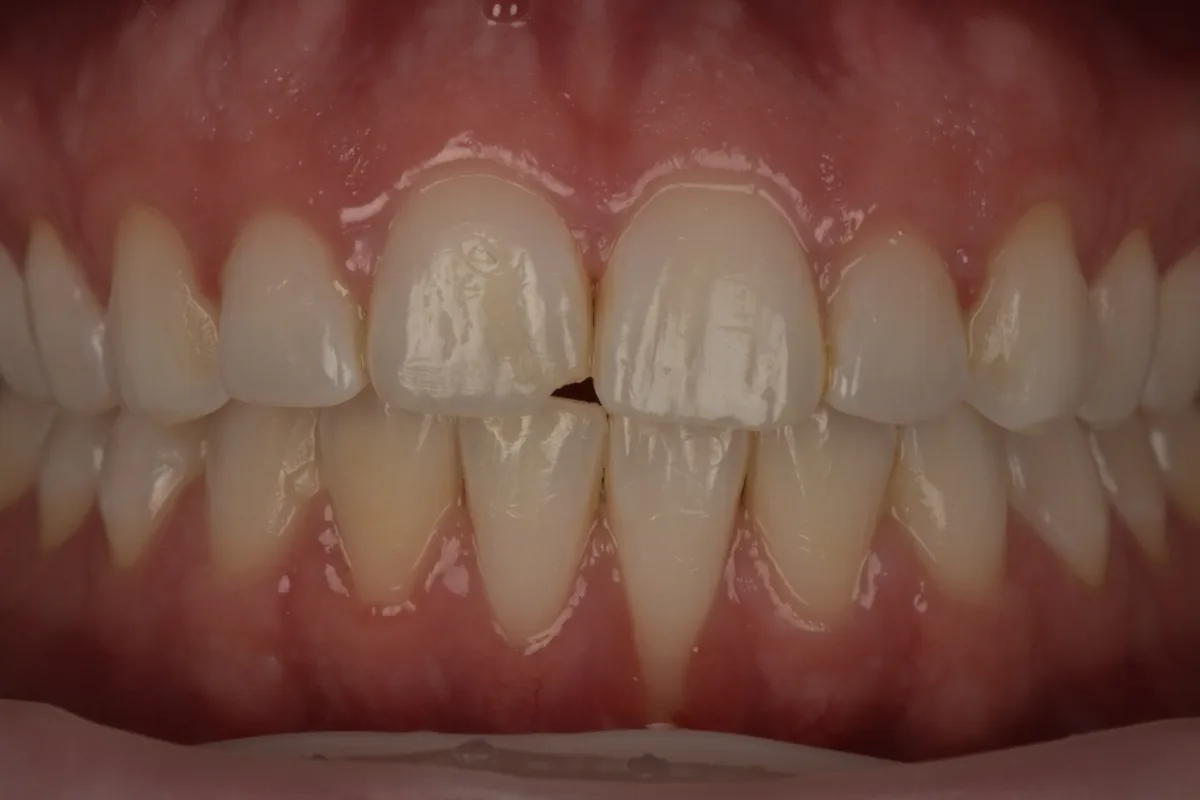
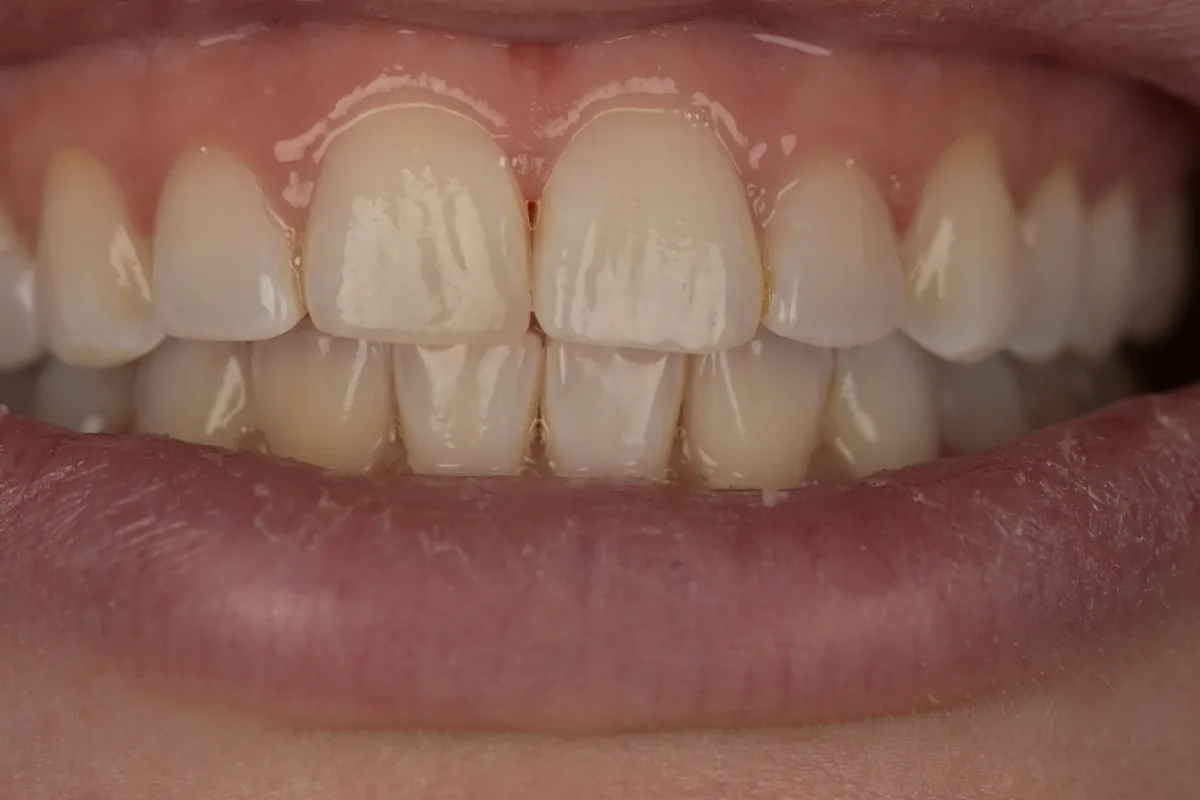
Composite bonding is one of the most versatile cosmetic procedures available. It repairs and reshapes teeth without removing healthy tooth structure.
- Chipped or cracked teeth
- Small gaps between teeth (diastemas)
- Discoloration that does not respond to whitening
- Worn-down or short tooth edges
- Slightly crooked or misshapen teeth
- Exposed tooth roots from gum recession
- Black triangles between teeth
- Peg-shaped or undersized teeth
The Process
What Happens at Your Appointment
Consultation and Shade Matching
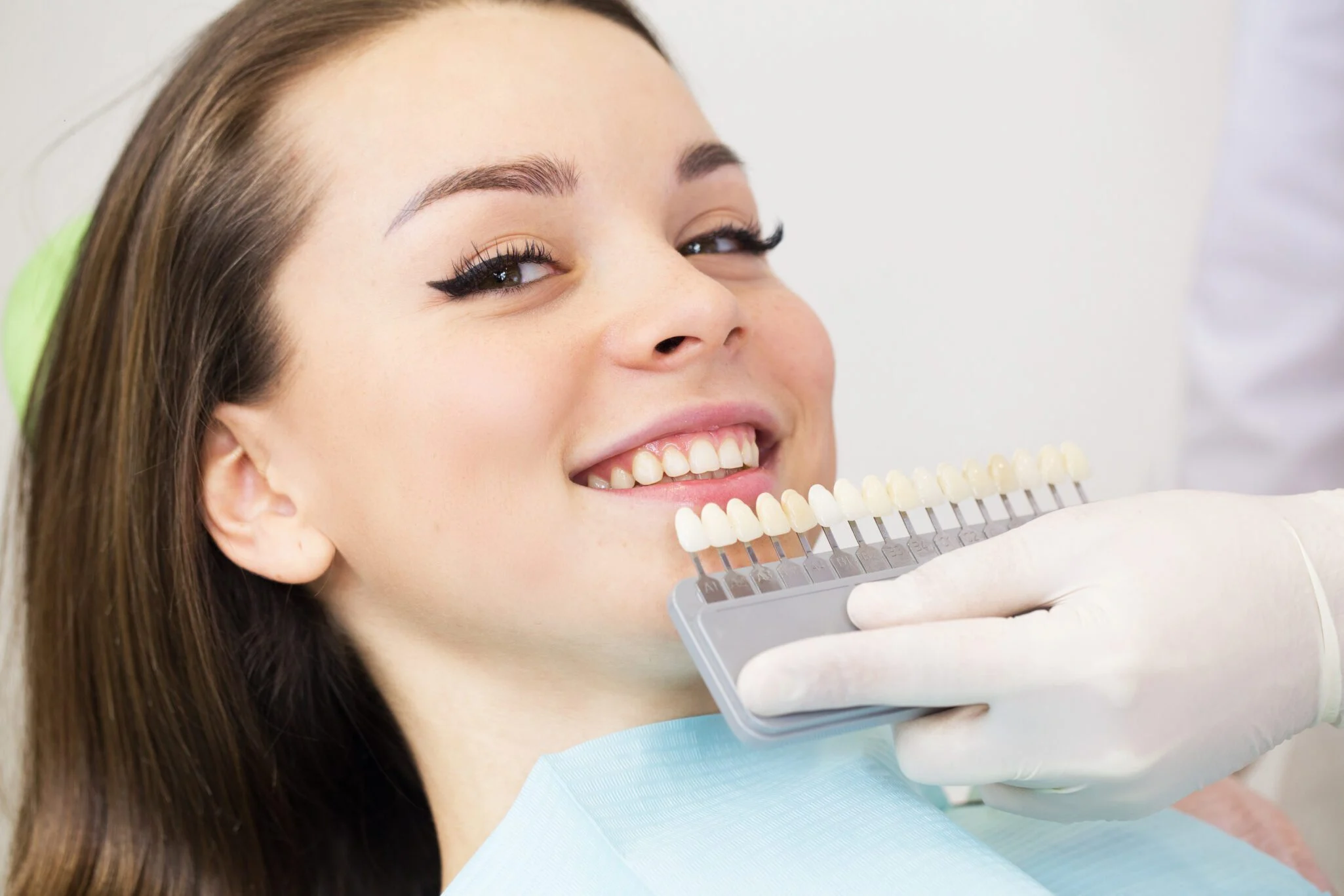
Dr. Steven evaluates your teeth, discusses your goals, and selects a composite shade that precisely matches your surrounding enamel. For larger cases, a digital smile preview is created.
Surface Preparation
The tooth surface is gently roughened and a conditioning liquid is applied. In most cases, no drilling or anesthesia is needed, making bonding one of the most comfortable procedures we offer.
Composite Application
Tooth-colored composite resin is applied to the tooth in layers. Dr. Steven sculpts and shapes the material by hand to achieve the correct contour, proportion, and texture.
Curing
A special curing light is used to harden each layer of composite, bonding it securely to the tooth structure.
Final Shaping and Polishing
The bonded material is trimmed, refined, and polished to a natural-looking finish that blends seamlessly with the surrounding tooth.
Helping You Decide
Composite Bonding vs. Porcelain Veneers
Both are excellent options depending on your goals. Here's how they compare so you can make an informed decision with Dr. Steven.
| Composite Bonding | Porcelain Veneers | |
|---|---|---|
| Invasiveness | Minimal to none — no enamel removal in most cases | Requires permanent enamel reduction |
| Visits | Single visit | Typically 2 to 3 visits over 2 to 3 weeks |
| Cost | More affordable per tooth | Higher investment per tooth |
| Lifespan | 5 to 10 years with proper care | 10 to 20 years |
| Repairability | Easily repaired if chipped | Replacement required if damaged |
| Best for | Smaller corrections, gaps, chips, recession | Comprehensive smile transformations |
Advanced Technique
Bioclear for Superior Black Triangle and Gap Results
For black triangle closure and diastema (gap) closure cases, Dr. Steven uses the Bioclear matrix system, an advanced technique that creates anatomically shaped, cleanable composite contours. The results are significantly more natural and durable than traditional freehand bonding. If gaps or black triangles between your teeth are a concern, this is our preferred approach.
Book your free consultation
Further Reading
Learn More About Composite Bonding
FAQs
Frequently Asked Questions
How long does composite bonding last?
With proper care, composite bonding typically lasts 5 to 10 years before touch-up or replacement may be needed. Longevity depends on where the bonding is placed, your bite, and habits like nail-biting or chewing ice.
Does composite bonding hurt?
In most cases, no anesthesia is needed at all. The tooth surface preparation is gentle and minimally invasive. It is one of the most comfortable cosmetic procedures available.
Can composite bonding close gaps between teeth?
Yes. Gap closure (diastema closure) is one of the most common uses of composite bonding. For black triangle closure between teeth, Dr. Steven uses the Bioclear matrix system, which achieves superior anatomical contours compared to freehand bonding.
Will bonding stain over time?
Composite resin can pick up staining from coffee, red wine, tea, and tobacco over time, unlike porcelain. Avoiding heavy staining foods and drinks in the first 48 hours after treatment, and limiting them long-term, helps maintain the appearance. Periodic polishing at your checkups helps too.
Is composite bonding reversible?
In most cases, yes. Since minimal to no enamel is removed, the bonding can be removed if needed. This is a significant advantage over veneers, which involve permanent enamel reduction.
What is the Bioclear technique?
Bioclear is an advanced system of anatomically shaped matrices that allow Dr. Steven to place composite resin in a way that creates natural-looking, cleanable contours. It is particularly effective for black triangle closure and diastema closure, producing results that are difficult to achieve with traditional bonding methods.
How does composite bonding compare to porcelain veneers?
Composite bonding is more conservative, faster, and more affordable. Porcelain veneers are more durable, more stain-resistant, and better for comprehensive smile makeovers. Dr. Steven will help you decide which is right based on the number of teeth involved, your goals, and your budget.
Can bonding fix a chipped front tooth?
Yes, and it is one of the most common uses. A chip to a front tooth can often be repaired in a single appointment with composite bonding, with results that are virtually invisible.
One Visit to a Better Smile
Fix Chips, Gaps, and Discoloration Today
Most composite bonding is completed in a single appointment at MDRN Dental Studio in McKinney, TX. Call (469) 712-2046 to book a free consultation and find out if bonding, veneers, or a combination is right for you.
6451 W University Dr, Ste 300 · McKinney, TX 75071