Several worn or broken teeth
Short, chipped, cracked, or flattened teeth may need a plan that evaluates bite forces before cosmetic or restorative work begins.

Full Mouth Rehabilitation
A bigger-picture plan for worn, broken, missing, or failing teeth — designed around your bite, comfort, function, gum health, and smile goals.
Special Offer
For larger dental needs, clarity comes before treatment.
Comprehensive Consultation
FREE
Dr. Steven reviews your concerns, X-rays, scans, bite, and goals before outlining a step-by-step treatment plan. No pressure, no obligation.
For New Patients Only. Must mention this offer at time of booking.
Book Free ConsultationBig-Picture Dentistry
Some dental concerns cannot be solved by looking at one tooth at a time. If several teeth are worn, cracked, missing, shifting, heavily restored, or affecting your bite, full mouth rehabilitation helps organize the whole picture into one clear plan. At MDRN Dental Studio, Dr. Steven evaluates tooth structure, gum health, bite forces, jaw comfort, facial esthetics, and your personal goals before recommending treatment. The goal is to restore strength, comfort, chewing function, and a natural-looking smile without jumping into unnecessary dentistry.
Book your consultation
Actual MDRN Patient
These photos show an actual MDRN Dental Studio patient and how comprehensive planning can bring tooth wear, bite, function, and esthetics into one coordinated plan. Every case is different, and Dr. Steven will confirm what treatment is appropriate after an exam, X-rays, photos, scans, and a bite evaluation.
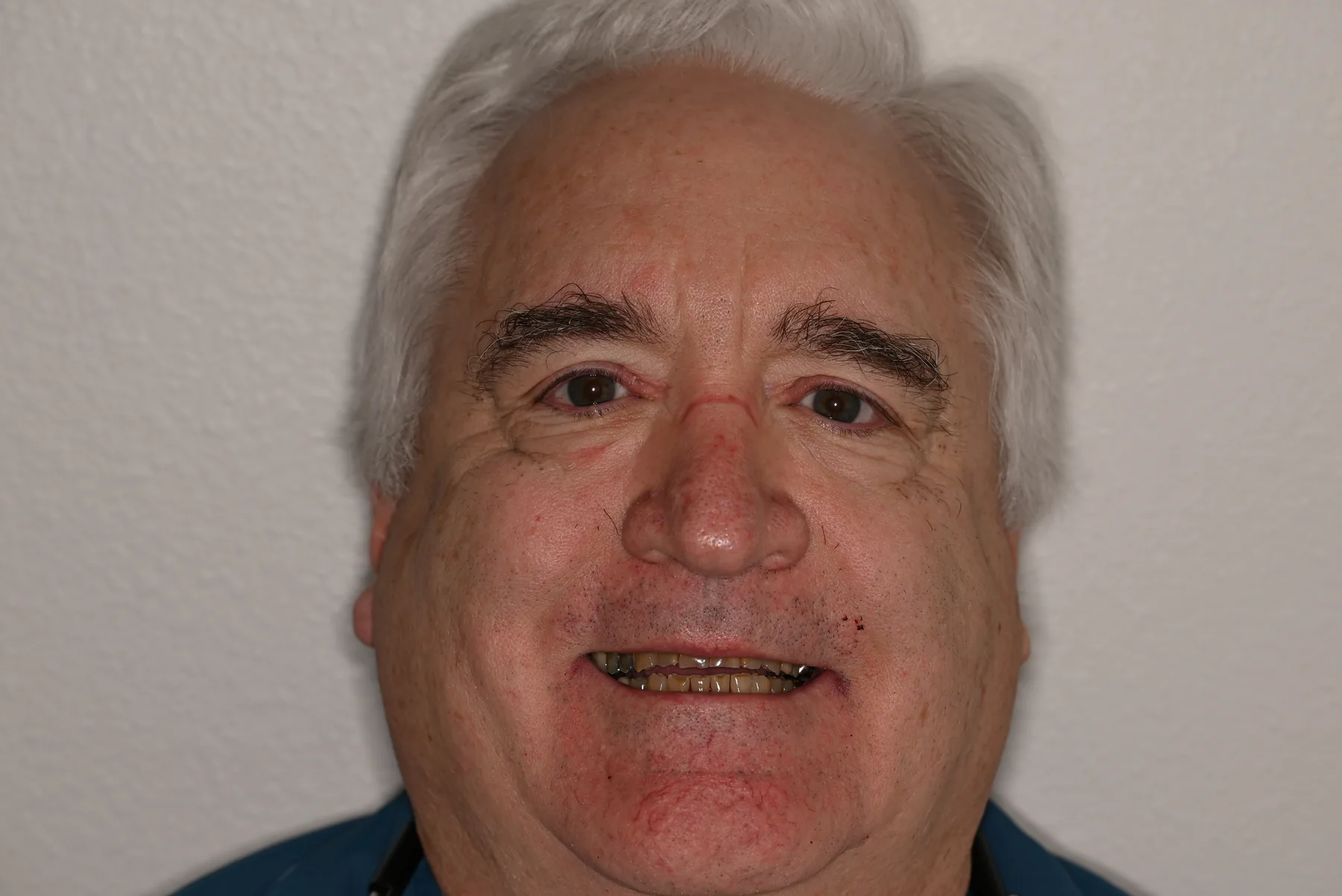 Before
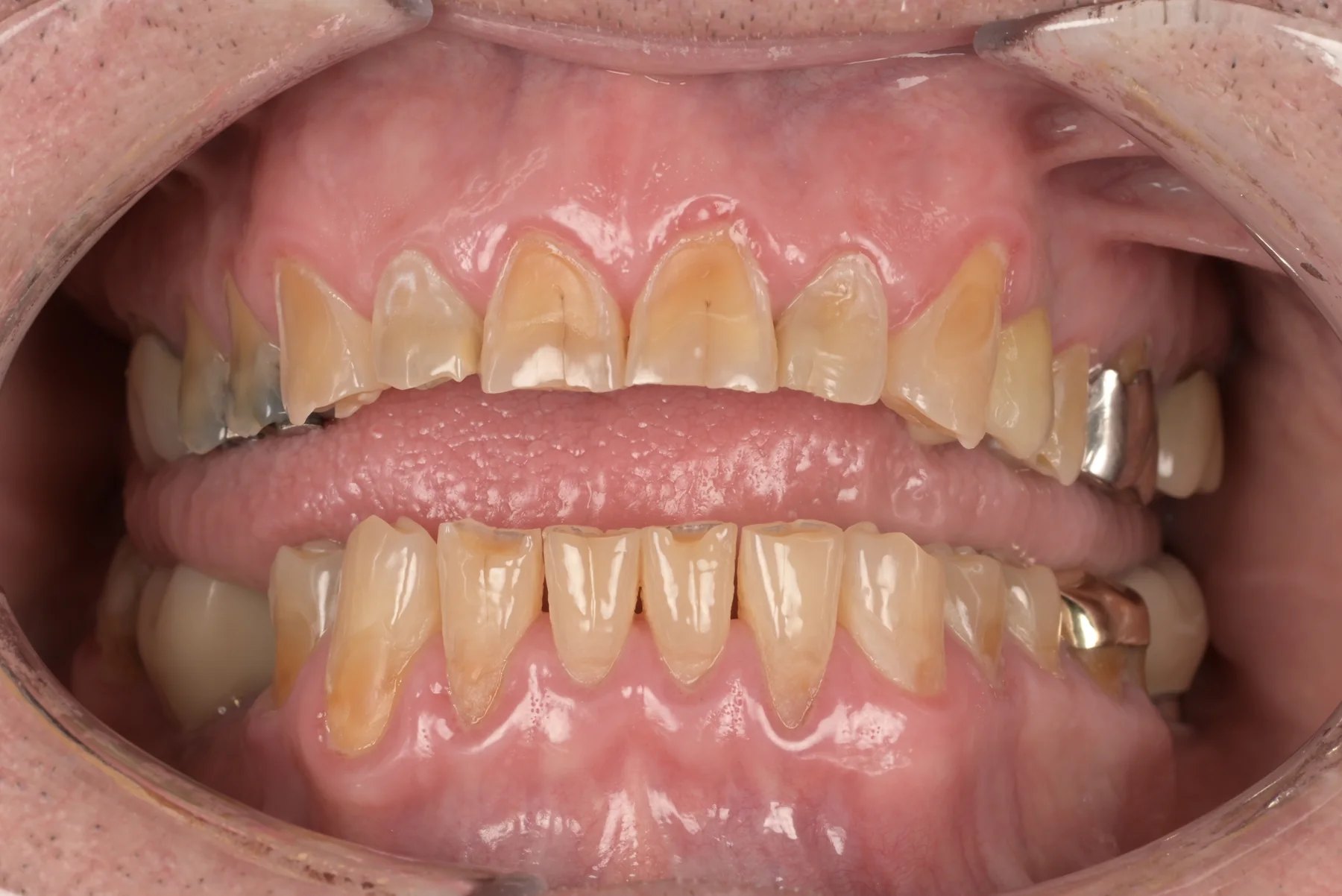 Before
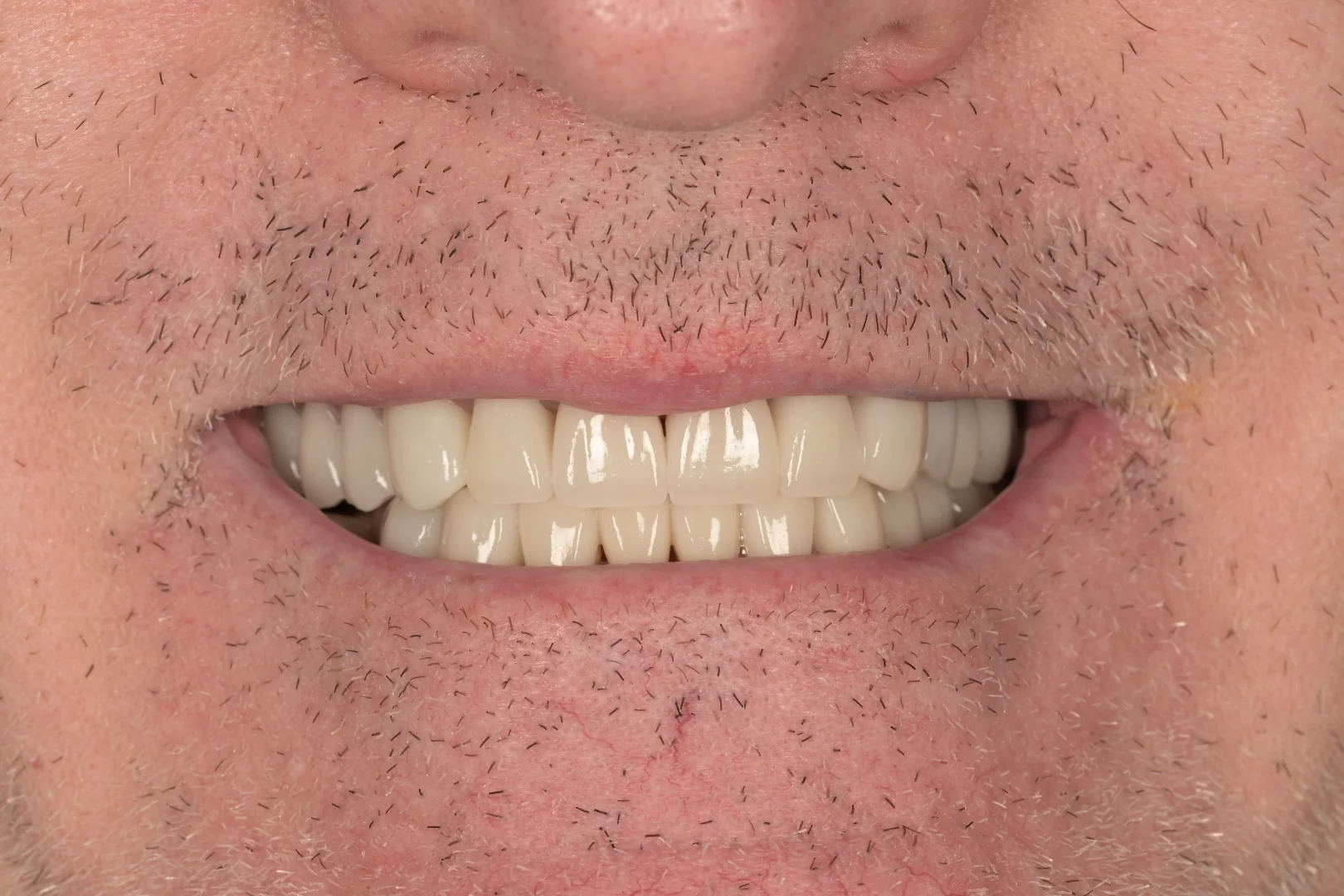 After
After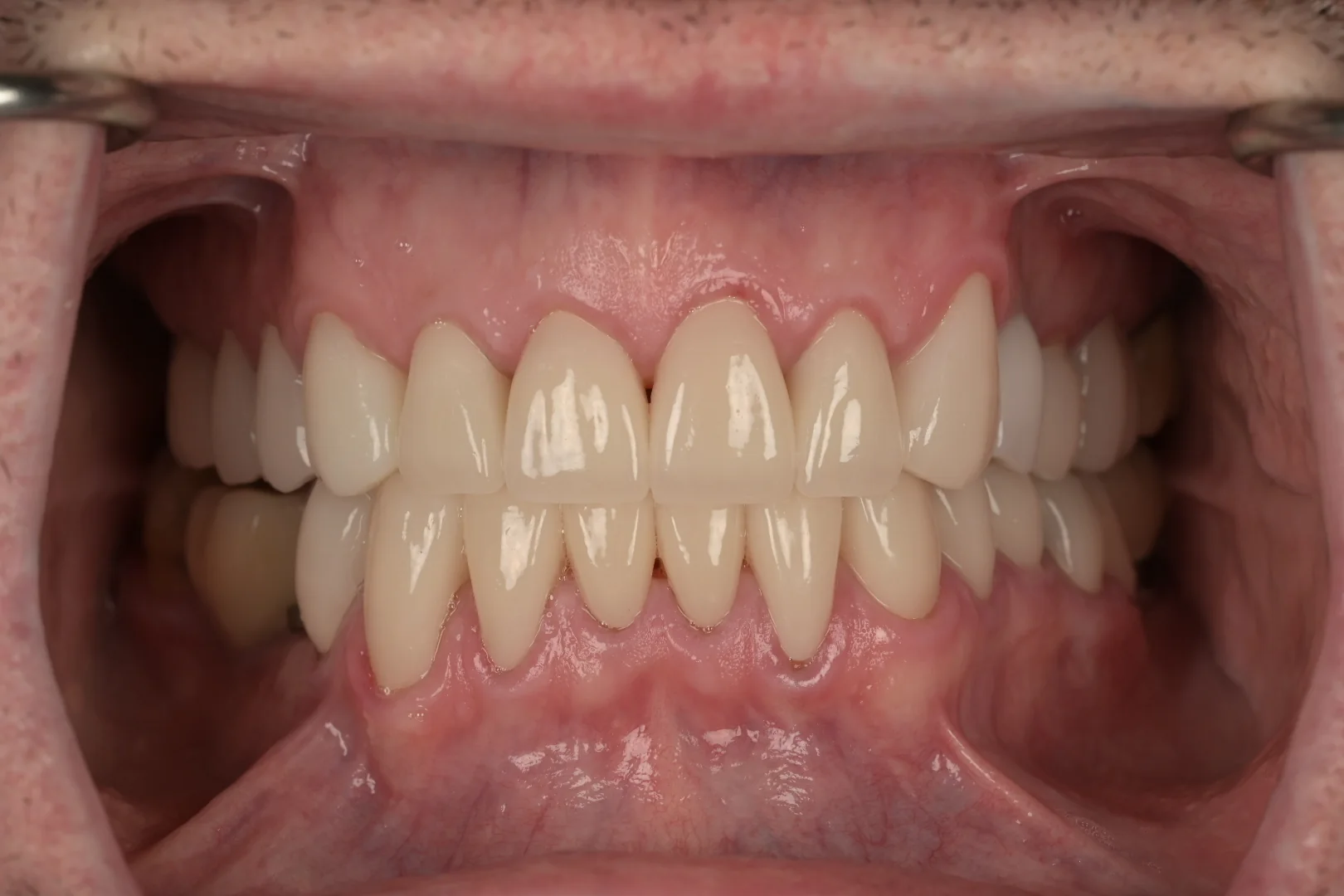 After
After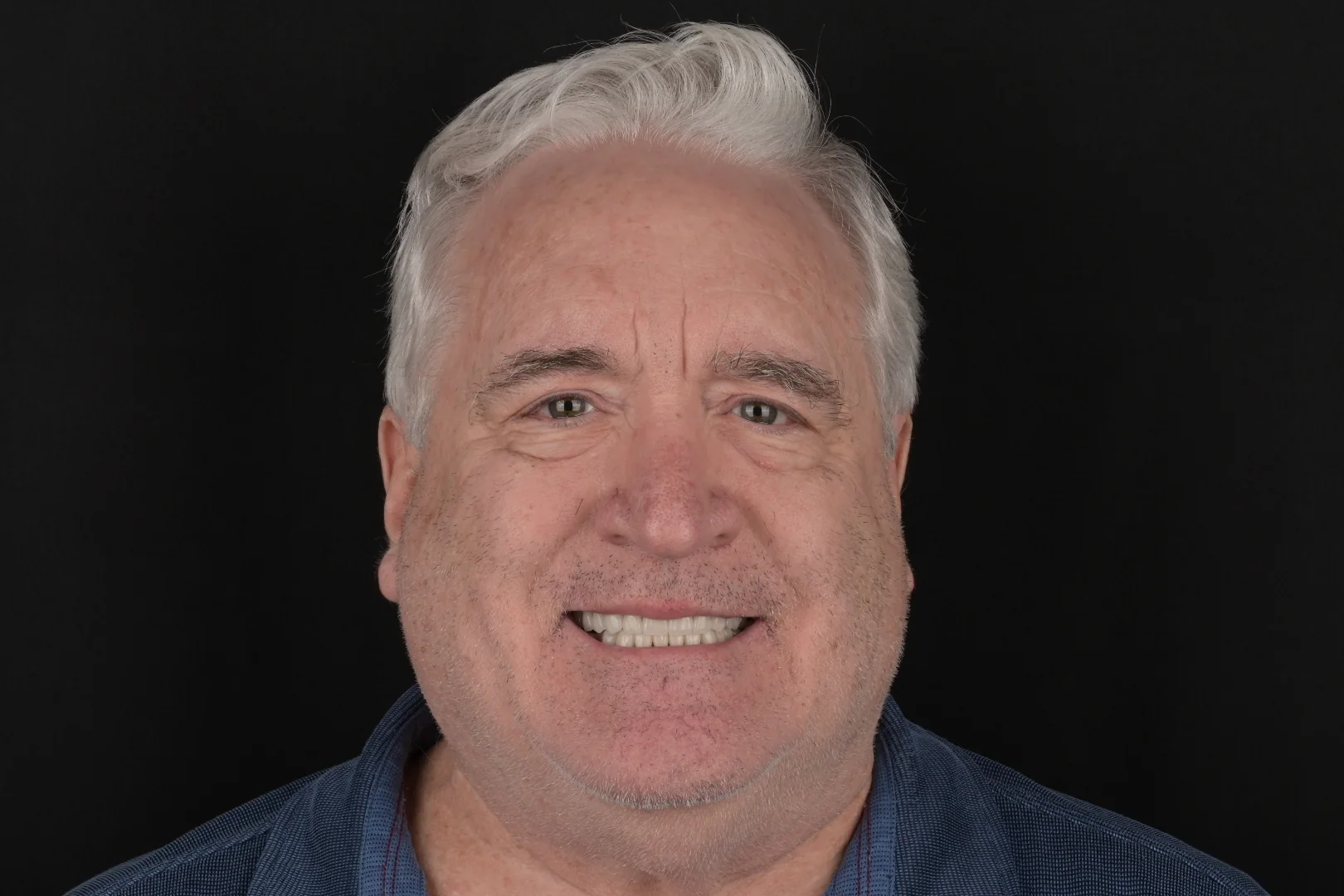 After
AfterPhotos shown with patient permission. Individual results vary. Images are educational examples only and do not guarantee a specific outcome or treatment recommendation.
When to Consider It
Full mouth rehab does not mean every patient needs every procedure. It means the dentist evaluates how the teeth, gums, bite, jaw, and final smile work together before choosing the right sequence.
Short, chipped, cracked, or flattened teeth may need a plan that evaluates bite forces before cosmetic or restorative work begins.
Large old fillings, older crowns, recurrent decay, or repeated repairs may work better when planned together instead of one tooth at a time.
Missing teeth can affect chewing, tooth movement, bone support, and how the upper and lower teeth fit together over time.
If you want a better-looking smile but also have wear, missing teeth, gum issues, or bite problems, the plan may need to protect function first.
Jaw soreness, headaches, tooth wear, or a bite that feels unstable may need additional evaluation before permanent changes are made.
Full mouth rehabilitation is often about creating a clear sequence, so urgent needs, budget, comfort, and long-term goals are organized into a plan.
Smile Design vs. Full Mouth Rehab
Smile design is usually the best starting point when the main goal is improving tooth color, shape, spacing, proportions, or overall appearance. Full mouth rehabilitation is different because cosmetic goals are planned alongside damaged teeth, missing teeth, bite issues, gum health, or jaw comfort. If the bite is unstable or teeth are breaking down, Dr. Steven may need to stabilize function before final esthetic details are completed. That is how we help the final smile look good and work well.
Explore Smile Design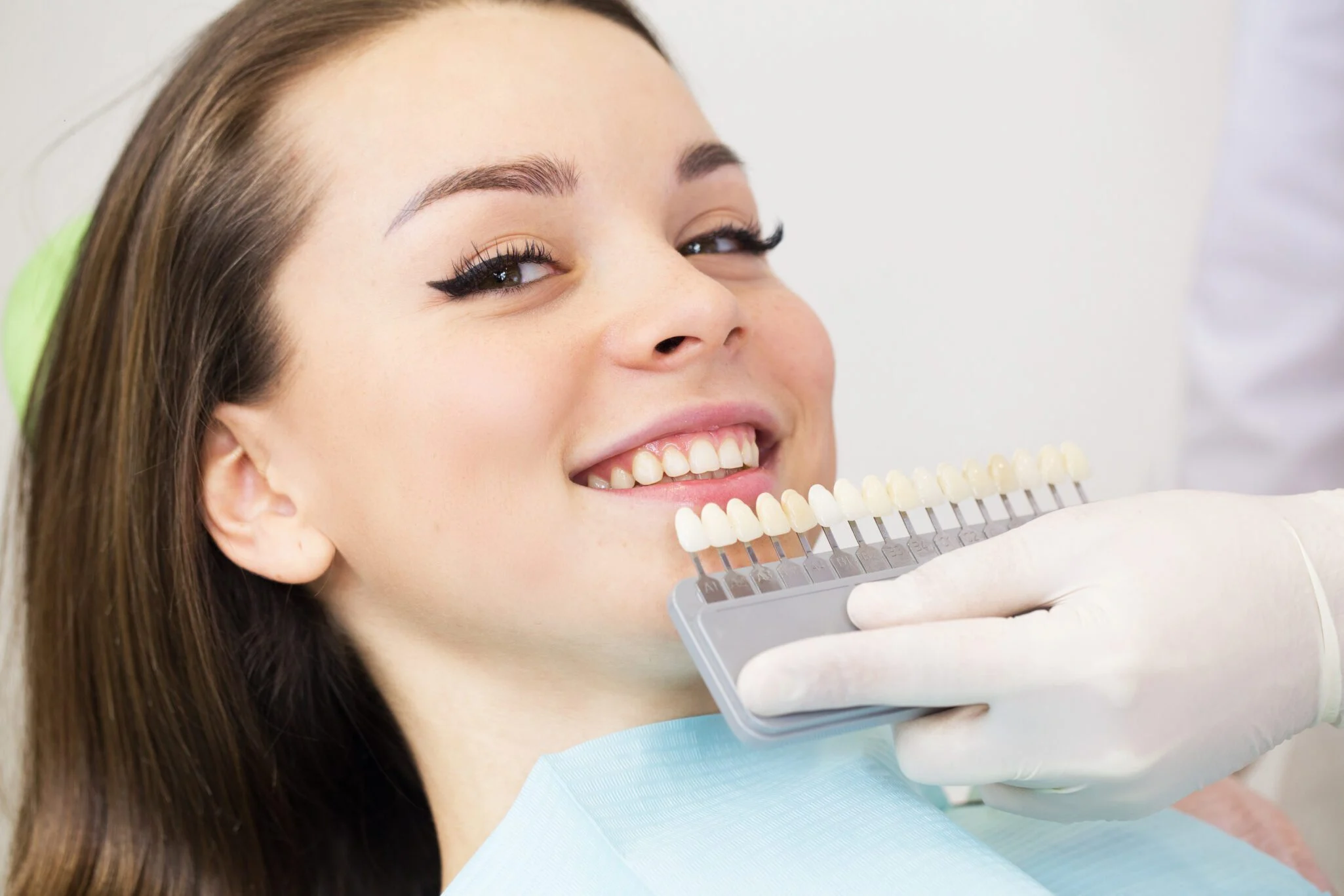
What We Evaluate
A full-mouth plan should not start with a predetermined list of procedures. It starts with understanding why the teeth are breaking down and what has to be stable for the result to last.
Kois-Informed Planning
If teeth are worn, chipped, cracked, or repeatedly breaking, the bite may be part of the story. Dr. Steven’s Kois Center training helps guide how MDRN evaluates tooth wear, jaw position, bite forces, and restorative options before making permanent changes.
In selected cases, a Kois Deprogrammer or additional bite/TMJ evaluation may be recommended before crowns, veneers, onlays, overlays, or other larger restorative work. The dentist will confirm whether that applies after an exam.
Possible Treatment Options
Full mouth rehabilitation is customized. Some patients need mostly tooth-preserving restorations. Others need gum therapy, implants, bite stabilization, or cosmetic finishing after function is stable.
Protect weakened teeth or replace missing teeth when broader coverage or support is needed.
Learn MorePreserve healthy tooth structure when a bonded ceramic restoration can reinforce a damaged back tooth.
Learn MoreReplace missing teeth after CBCT evaluation of bone, gums, spacing, bite, and neighboring teeth.
Learn MoreStabilize gum health when infection, inflammation, bleeding, or bone loss could affect the long-term plan.
Learn MorePlan tooth shape, shade, proportions, and preview options once health and function are understood.
Learn MoreEvaluate jaw joints, bite stability, tooth wear, and muscle symptoms before irreversible changes are made.
Learn MorePhased Care
Many patients worry that full mouth rehab means doing everything immediately. The first step is simply understanding what is happening and what should be prioritized. When treatment can be phased safely, MDRN explains the sequence: what is urgent, what protects the bite, what improves comfort, what affects appearance, and what can wait. Financing and membership options can be discussed separately without pressure or insurance guesswork.
Book a comprehensive consultation
Clear Answers for Patients
These are the kinds of questions we talk through during consultations, so you can understand your options before making a decision.
Not exactly. Smile design is usually more cosmetic-goal focused. Full mouth rehabilitation looks at teeth, gums, bite, missing teeth, wear, function, comfort, and esthetics together when several problems need one coordinated plan.
Not always. When it is clinically safe, Dr. Steven can phase treatment so urgent issues, infection control, bite stability, comfort, and appearance are sequenced clearly over time.
If the bite is unstable or teeth are wearing down, new bonding, veneers, crowns, or other restorations may be under the same forces that damaged the original teeth. Evaluating the bite helps protect the final result.
Treatment sequencing starts with diagnosis: pain or infection, gum health, tooth prognosis, bite stability, missing teeth, esthetic goals, and the patient’s timeline. The dentist reviews the findings before recommending a plan.
Further Reading
FAQs
Not exactly. Smile design is usually more cosmetic-goal focused. Full mouth rehabilitation looks at teeth, gums, bite, missing teeth, wear, function, comfort, and esthetics together when several problems need one coordinated plan.
Not always. When it is clinically safe, Dr. Steven can phase treatment so urgent issues, infection control, bite stability, comfort, and appearance are sequenced clearly over time.
If the bite is unstable or teeth are wearing down, new bonding, veneers, crowns, or other restorations may be under the same forces that damaged the original teeth. Evaluating the bite helps protect the final result.
Treatment sequencing starts with diagnosis: pain or infection, gum health, tooth prognosis, bite stability, missing teeth, esthetic goals, and the patient’s timeline. The dentist reviews the findings before recommending a plan.
Full mouth rehabilitation, also called full mouth reconstruction or full mouth rehab, is a comprehensive dental treatment plan for patients with several teeth, bite, gum, missing-tooth, or esthetic concerns that need to be planned together.
It may be appropriate for patients with multiple worn, broken, decayed, missing, or heavily restored teeth; bite collapse; jaw or muscle symptoms; gum disease; or cosmetic goals that are connected to larger functional problems. A dentist must evaluate the patient before confirming recommendations.
A plan may include fillings, bonding, onlays, overlays, crowns, bridges, dental implants, dentures, periodontal therapy, clear aligners, bite guards, TMJ/TMD evaluation, veneers, whitening, or other treatments depending on exam findings and goals.
The timeline depends on the number of teeth involved, whether gum infection or extractions are needed, whether implants or aligners are included, and whether treatment is phased. Some plans are completed in a few visits; others may take several months or longer.
MDRN focuses on comfort, local anesthesia, clear communication, and sedation options when appropriate. Patients may have soreness after certain procedures, but the team explains what to expect before treatment begins.
Often, yes. The goal is not only to repair teeth but to plan strength, function, bite, and appearance together. Cosmetic details such as tooth shape, color, and proportions are considered as part of the final plan.
Clinical Review
Dr. Nguyen is the founder and lead dentist at MDRN Dental Studio in McKinney, TX. He reviews patient education for accuracy, clarity, and conservative treatment planning.
Information on full mouth rehabilitation and comprehensive restorative treatment planning is written to help patients understand options before a visit, not to replace a dental exam. Recommendations still depend on X-rays or 3D imaging when appropriate, photos, gum health, bite forces, symptoms, medical history, and your goals.
Full Mouth Rehabilitation
If your teeth, bite, gums, and smile all feel connected, start with a comprehensive consultation at MDRN Dental Studio in McKinney, TX. Call (469) 712-2046 or book online.
6451 W University Dr, Ste 300 · McKinney, TX 75071