Extended Hours, Weekends, & Same-day Emergency Available

How Dental Implants Preserve Jawbone Health For McKinney Seniors
April 5, 2026
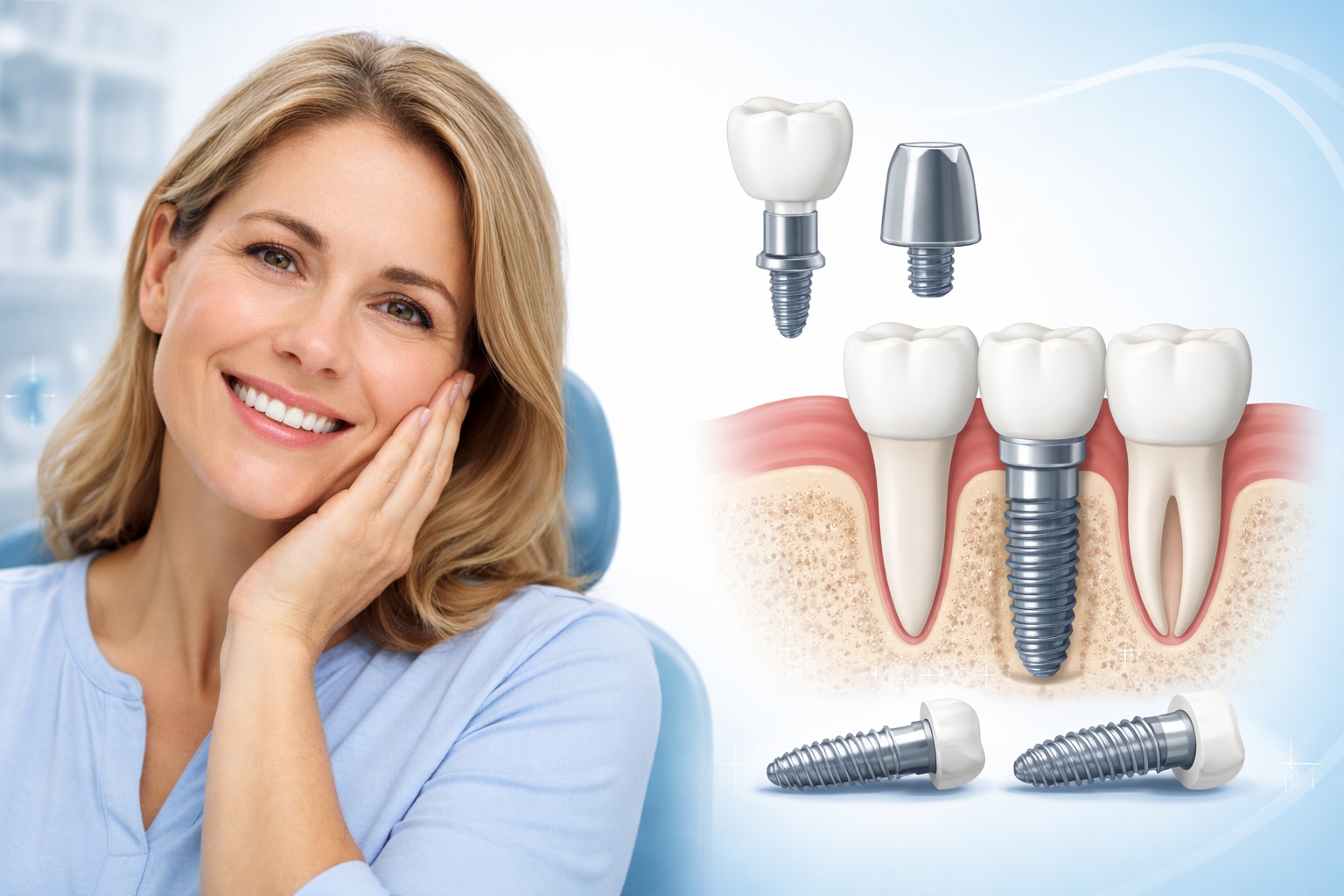
It’s essential to preserve our smile’s health, as we understand that, with age, missing teeth can affect our oral health in the long run. As a senior in McKinney, it’s essential to consider preserving the overall health of your mouth, including your jawbone. A great way to avoid bone loss from missing teeth is through dental implants. These permanent implants not only replace your missing tooth, but they also help preserve your jawbone.
This blog explains exactly how endosseous implants in McKinney can preserve a senior’s jawbone health and why they are important for addressing missing teeth. If you are unsure what implants are or are considering the procedures, continue reading. You will find out what benefits they are able to provide for you as a senior.
Why Jawbone Health is Essential for Seniors
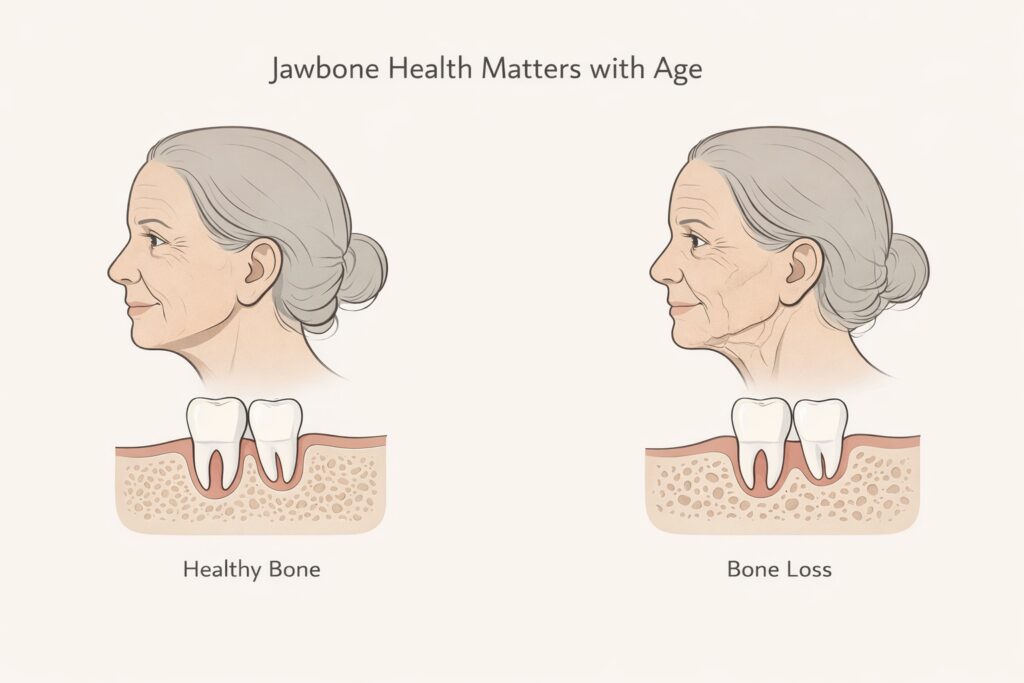
As you get older, it is crucial that you maintain a healthy jawbone to ensure proper facial structure and oral health. After tooth loss, the jawbone that was once in place becomes degraded over time, resulting in various problems that will affect the well-being of your mouth. This is why keeping your jawbone in good shape is vital for your continued health:
- Bone Loss From Tooth Loss: When a tooth is extracted, the jawbone is no longer stimulated and, over time, will begin to break down, a process called resorption.
- Facial Structural Changes: Weakening of facial bone can cause your mouth and cheeks to begin to collapse, and your appearance to age dramatically, giving your face a sunken look.
- Difficulty in Chewing or Speaking: With weak bones, it becomes increasingly more difficult for you to chew properly, which can also affect your ability to talk clearly.
- Preserve Facial Aesthetics: When a jawbone is deteriorating and weakened, it no longer supports your teeth well. Thus, they can become loose and even fall out, making an already painful situation worse.
Dentures and bridges do not stimulate the bone; therefore, they do not address bone loss. Only a dental implant helps maintain a healthy jawbone by providing the stimulation necessary to keep the bone strong.
How Dental Implants Help Preserve Jawbone Health
In addition to being the most beneficial and advanced tooth restoration method on the market, endosseous implants also promote bone health. Unlike removable dentures or bridges, dental implants in McKinney are anchored directly into the jawbone using a procedure called osseointegration, whereby the implant becomes a stable anchor by fusing with the jawbone – just like the roots of natural teeth. They do this by:
- Stimulating Bone Regeneration: Endosseous implants effectively replace the roots of lost teeth. The titanium in dental implants bonds with bone, naturally encouraging bone growth and preventing future bone loss.
- Slowing the Rate of Bone Resorption: By providing stimulation in the form of the anchored titanium implant, the surrounding jawbone receives the necessary stimulus it needs to maintain strength, thereby minimizing the loss of bone that occurs after tooth loss.
- Maintaining Facial Features: Significant bone loss in the jaw can cause the facial structure to shift and the facial tissues, particularly the cheeks and chin, to recede, making the face appear somewhat sunken or aged. Replacing the root with an implant helps minimize bone loss and, consequently, the risk of a “shrunken” face.
The Benefits of Dental Implants for Seniors in McKinney
Dental implants can help seniors not only improve the appearance of their smile but also address more significant issues. A few benefits include:
- Lifelong Solution: Unlike other options, such as dentures, implants can last a lifetime and require little to no replacement.
- Better Chewing Power: With an implant, you don’t have to give up chewing the foods you enjoy; you can regain the full ability to chew.
- Increased Self-Confidence: Implant recipients no longer have to worry about awkward social situations involving dentures. They do not feel embarrassed by looseness or shifting dentures.
- Supports Neighboring Teeth: Endosseous implants are integrated with the jawbone itself, which means that neighboring teeth are unaffected. Unlike a bridge, an implant does not put extra stress on your other teeth.
What Happens Without Dental Implants?
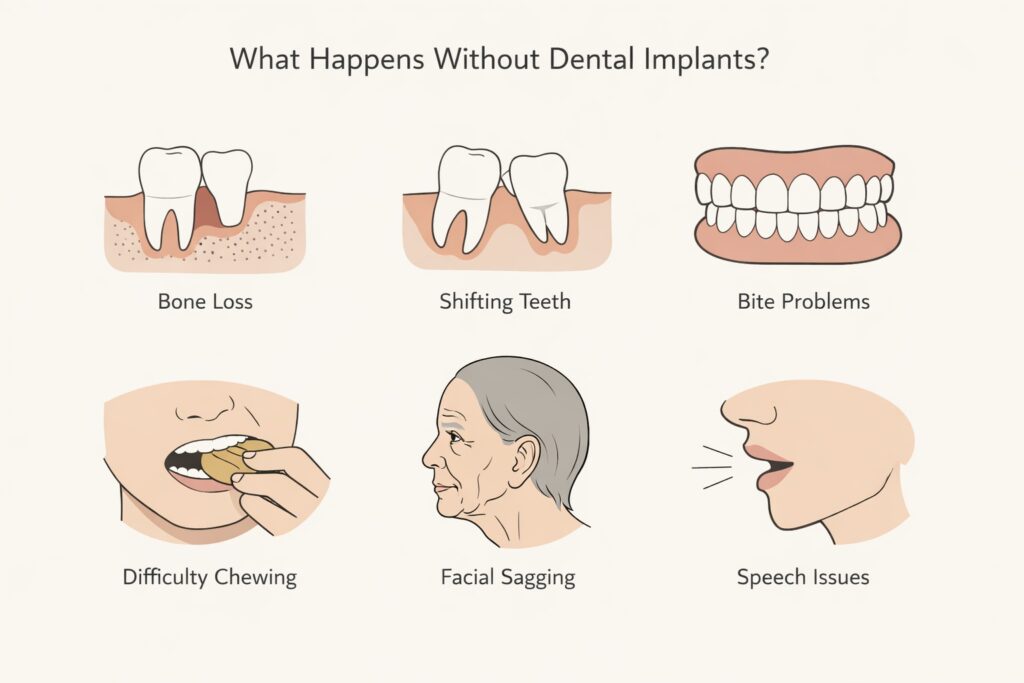
Without endosseous implants, your oral health may suffer long-term issues. As your jawbone deteriorates more and more, the teeth around the missing gap can start to shift and even loosen. This problem makes eating more uncomfortable and causes an alignment issue in your mouth, affecting both your bite and your ability to chew. Losing your teeth can also negatively affect your voice and self-esteem.
In addition, the loss of teeth causes you to lose some ability to eat certain foods, such as tender cuts of steak at Saltgrass Steak House or delectable pasta at The McKinney Avenue Tavern.
In addition, dentures need to be replaced, and bridges can lead to tooth decay and have an average lifespan of only 15 years. Unlike bridges and dentures, endosseous implants are made to be your lifelong solution with the proper care.
A Long-Term Answer For McKinney Seniors
Dental implants offer a restorative solution that may be appropriate for McKinney seniors seeking to maintain their bone structure and restore their smile. This restorative option replaces lost teeth, but is a great option for those looking to prevent additional bone loss. In addition to a renewed smile and biting function, endosseous implants can also support facial structure.
At MDRN Dental Studio, we aim to meet the needs of our seniors by offering the latest treatments, such as dental implants. If you’re a senior looking for dental implants, call us today to schedule a consultation at MDRN Dental Studio and learn how we can restore confidence in your smile.
Questions People Ask About Dental Implants
What are dental implants?
Dental implants are titanium posts surgically placed into the jawbone to replace missing tooth roots. They serve as a foundation for crowns, bridges, or dentures, providing a permanent solution to tooth loss.
How long do dental implants last?
With proper care, dental implants can last for decades. Many implants are designed to be a lifetime solution, offering long-term durability and functionality.
What is osseointegration?
Osseointegration is the process by which the dental implant fuses with the jawbone. This ensures the implant remains securely in place, functioning like a natural tooth root.
Can dental implants help prevent further bone loss?
Yes, dental implants stimulate the jawbone, preventing bone resorption. This helps maintain the bone structure and prevents further bone loss in the area of the missing tooth.
Are dental implants suitable for seniors?
Yes, dental implants are an excellent option for seniors who are healthy enough for oral surgery. They provide a permanent, comfortable solution for missing teeth and help preserve jawbone health.
What is the recovery process for dental implants?
Recovery time for dental implants typically takes a few months. During this time, the implant integrates with the bone. Most patients experience minimal discomfort and can return to their normal activities after a brief healing period.