Extended Hours, Weekends, & Same-day Emergency Available

Wisdom Tooth Removal in McKinney, TX
Dealing with pain or discomfort from wisdom teeth? At MDRN Dental Studio in McKinney, TX, we provide wisdom tooth removal to relieve pain and protect your long-term oral health. Whether your wisdom teeth are causing problems now or may in the future, early care can help prevent more serious issues. Take the first step toward relief and a healthier smile today.
Book Now
New Patient Specials
Book now and save with our limited-time offers.
Wisdom Tooth Removal Consultation
FREE
Must mention or present this coupon at time of booking.
Limited Time Offer. For New Patients Only.
Must mention or present this coupon.
McKinney's Trusted Care for Tooth Extractions
At MDRN Dental Studio, we understand that wisdom tooth removal can feel overwhelming for many patients. That’s why we focus on creating a calm and supportive experience from the moment you walk in. Dr. Nguyen and our team take the time to explain your situation clearly, so you always know what to expect.
We use modern techniques and a gentle approach to make the procedure as comfortable as possible. Every treatment plan is tailored to your needs, ensuring your care feels personal and not rushed. Our goal is to help you feel confident and relaxed throughout the entire process.
Book Now
Why Wisdom Teeth Can Cause Problems
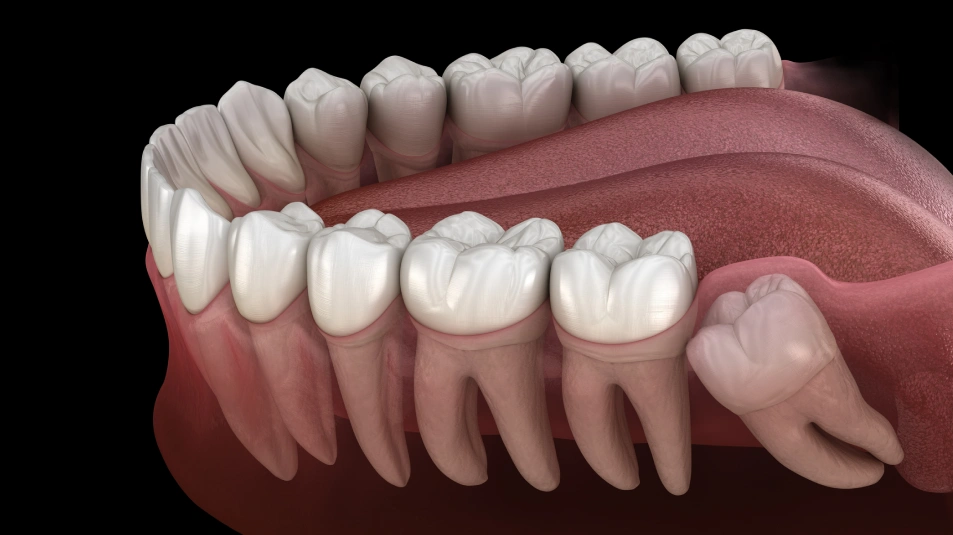
Wisdom teeth are the last set of molars that usually appear in your late teens or early twenties. In many cases, there isn’t enough space for them to grow properly. This can cause them to come in at an angle, remain stuck under the gums, or push against nearby teeth. When wisdom teeth don’t grow in correctly, they can lead to discomfort, swelling, and infection. Some patients may not notice symptoms right away, which is why regular checkups are important. Identifying issues early helps prevent more serious problems later.
Signs You May Need Wisdom Tooth Removal
Wisdom teeth don’t always need to be removed, but certain symptoms can indicate a problem.
You may notice:
- Pain or pressure in the back of your mouth
- Swollen, red, or tender gums
- Difficulty opening your mouth or chewing
- Jaw stiffness or headaches
- Bad taste or odor due to trapped bacteria
If you’re experiencing any of these, it’s best to have your wisdom teeth evaluated early.

Healing and Recovery After Removal
Recovery after wisdom tooth removal is usually straightforward when proper care is followed. Most patients experience mild swelling and soreness for a few days, which gradually improves.
To support healing, we recommend:
- Resting for the first 24 hours
- Eating soft foods initially
- Avoiding straws and smoking
- Keeping the area clean as instructed
Following these steps helps reduce discomfort and allows your mouth to heal properly.
A Gentle and Precise Extraction Experience
At MDRN Dental Studio, we focus on making your extraction as comfortable and efficient as possible, using a step-by-step approach designed around your needs.
Thorough Evaluation
We begin with a detailed exam and digital imaging to fully understand your condition. This allows us to plan the safest and most effective approach for your extraction.
Comfort-Focused Procedure
Local anesthesia is used to numb the area, ensuring you feel minimal discomfort during the procedure. Our gentle techniques and calm environment help reduce anxiety and improve your overall experience.
Careful Tooth Removal
The tooth is removed with precision to protect surrounding tissue and promote better healing. We take extra care to minimize trauma to the area whenever possible.
Post-Procedure Guidance
You’ll receive clear, easy-to-follow instructions to support healing. We also take the time to answer your questions so you feel confident about your recovery.
Relief Starts With the Right Care
Wisdom tooth discomfort doesn’t have to disrupt your daily life. Removing problematic wisdom teeth helps protect your overall oral health. It prevents crowding, reduces the risk of infection, and protects nearby teeth from damage. At MDRN Dental Studio, we provide care that is simple, comfortable, and tailored to you.
If you’re ready to move forward, our team is here to help. Call MDRN Dental Studio at (469) 712 2046 or book your visit online whenever it works for you.